Irrigation Controller Installation and Programming in Provo & Utah County, Utah
Advanced Controller Setup for Accurate Irrigation Scheduling Control
Watering a landscape should never feel like guesswork. At Dr. Sprinkler Master Inc., irrigation controller installation and programming transforms how water is managed, turning outdated systems into efficient, responsive solutions that adapt to changing conditions. Modern controllers go beyond simple timers—they integrate weather data, soil conditions, and zone-specific needs to deliver accurate irrigation without waste. When installed and programmed correctly, these systems ensure every part of a property receives the right amount of water at the right time, supporting healthier landscapes while reducing unnecessary consumption.
We serve Provo & Utah County, Utah, as well as the surrounding areas, including Orem, Lehi, Springville, and American Fork. Landscapes across this region face diverse challenges, from hot, dry summers to fluctuating soil conditions near the Wasatch Front. Proper irrigation controller programming in Utah County requires an understanding of local climate patterns, elevation changes, and seasonal water restrictions. Systems must be tailored not just to property layouts but also to the environmental factors unique to this area.
Our approach focuses on precision, adaptability, and long-term performance. Every controller is installed with careful attention to system compatibility, zone requirements, and future scalability. Programming is handled with a strategic mindset, ensuring schedules align with plant needs, soil absorption rates, and seasonal changes. The result is a system that works intelligently in the background, maintaining landscape health while improving efficiency and reducing the burden of manual adjustments. Upgrade the way your landscape is managed—connect with our team today to install and program a controller that delivers reliable, efficient irrigation without the guesswork.
Our Irrigation Controller Installation and Programming Services
New Controller Installation
Installing modern irrigation controllers involves selecting compatible systems, integrating them with existing infrastructure, and ensuring proper electrical and connectivity setup. Each installation is carefully planned to support current needs while allowing future upgrades, ensuring the system operates efficiently and adapts to evolving landscape requirements seamlessly over time.
Smart Controller Upgrades
Upgrading outdated controllers to smart systems enhances automation and efficiency. This service includes replacing old units, configuring advanced features, and integrating weather-based adjustments. Smart upgrades provide improved control, remote access capabilities, and better water management without requiring a complete overhaul of the existing irrigation system.
System Programming and Scheduling
Programming irrigation controllers requires precise calibration based on zone requirements, soil type, plant needs, and seasonal variations. Detailed scheduling ensures balanced watering cycles that prevent waste while promoting healthy growth. Adjustments are made to optimize performance, ensuring the system delivers consistent results across all landscape areas effectively.
Seasonal Reprogramming Services
As weather conditions change, irrigation systems must adapt. Seasonal reprogramming updates schedules to reflect temperature shifts, rainfall patterns, and daylight changes. This service ensures water usage remains efficient throughout the year, preventing overwatering in cooler months and ensuring sufficient hydration during peak summer heat conditions.
Troubleshooting and Optimization
Controller issues can lead to uneven watering, system inefficiencies, or complete failures. Troubleshooting identifies programming errors, connectivity issues, or hardware malfunctions. Optimization fine-tunes system performance, ensuring each zone operates correctly and the controller functions as intended for reliable, efficient irrigation management across the entire property.
Smart Integration and Remote Access Setup
Modern irrigation systems can be integrated with mobile apps and smart home platforms. This service includes configuring remote access, enabling real-time monitoring, and allowing adjustments from anywhere. Smart integration provides convenience and control, ensuring irrigation systems can be managed efficiently without requiring physical access to the controller unit.
Benefits of Irrigation Controller Installation and Programming
Improved Water Efficiency
Smart irrigation controllers optimize watering schedules based on environmental data, preventing overwatering and runoff. By delivering precise amounts of water only when needed, these systems reduce waste, lower utility costs, and support sustainable water usage while maintaining healthy, well-hydrated landscapes throughout varying seasonal conditions effectively.
Consistent Landscape Health
Accurate programming ensures each irrigation zone receives the correct watering duration and frequency. This consistency promotes balanced growth, prevents dry patches or oversaturation, and supports healthier plants, lawns, and trees. Over time, properly managed irrigation contributes to stronger root systems and improved overall landscape resilience naturally.
Time-Saving Automation
Automated controllers eliminate the need for constant manual adjustments. Once programmed, the system operates independently, adapting to schedules and conditions without daily input. This saves time for property owners while ensuring irrigation continues uninterrupted, even during travel or changing seasonal demands and unpredictable weather conditions.
Custom Zone Control
Different areas of a landscape have unique watering requirements. Irrigation controllers allow for zone-specific programming, ensuring lawns, gardens, shrubs, and trees receive tailored irrigation. This level of customization prevents water imbalance, improves plant health, and maximizes the effectiveness of every watering cycle across diverse landscape environments.
Seasonal Adaptability
Modern controllers can adjust irrigation schedules based on seasonal changes, rainfall, and temperature shifts. This adaptability ensures that watering aligns with current conditions rather than fixed schedules, reducing waste during cooler periods and providing adequate hydration during hotter months when landscapes demand more consistent irrigation support.
Reduced System Wear and Tear
Proper programming minimizes unnecessary system operation, reducing strain on valves, pipes, and sprinkler heads. This leads to fewer breakdowns, extended equipment lifespan, and lower maintenance costs. Efficient operation ensures the entire irrigation system performs reliably without excessive pressure or overuse, damaging essential components over time.
Smarter Programming for Consistent and Efficient Watering
Reliable irrigation begins with intelligent control. At Dr. Sprinkler Master Inc., irrigation controller installation and programming is approached as a critical foundation for long-term landscape success in Provo & Utah County, Utah A properly installed and programmed controller does more than automate watering—it ensures efficiency, consistency, and adaptability in an environment where conditions can shift quickly. From reducing water waste to improving plant health, every detail is designed to create a balanced system that performs without constant intervention.
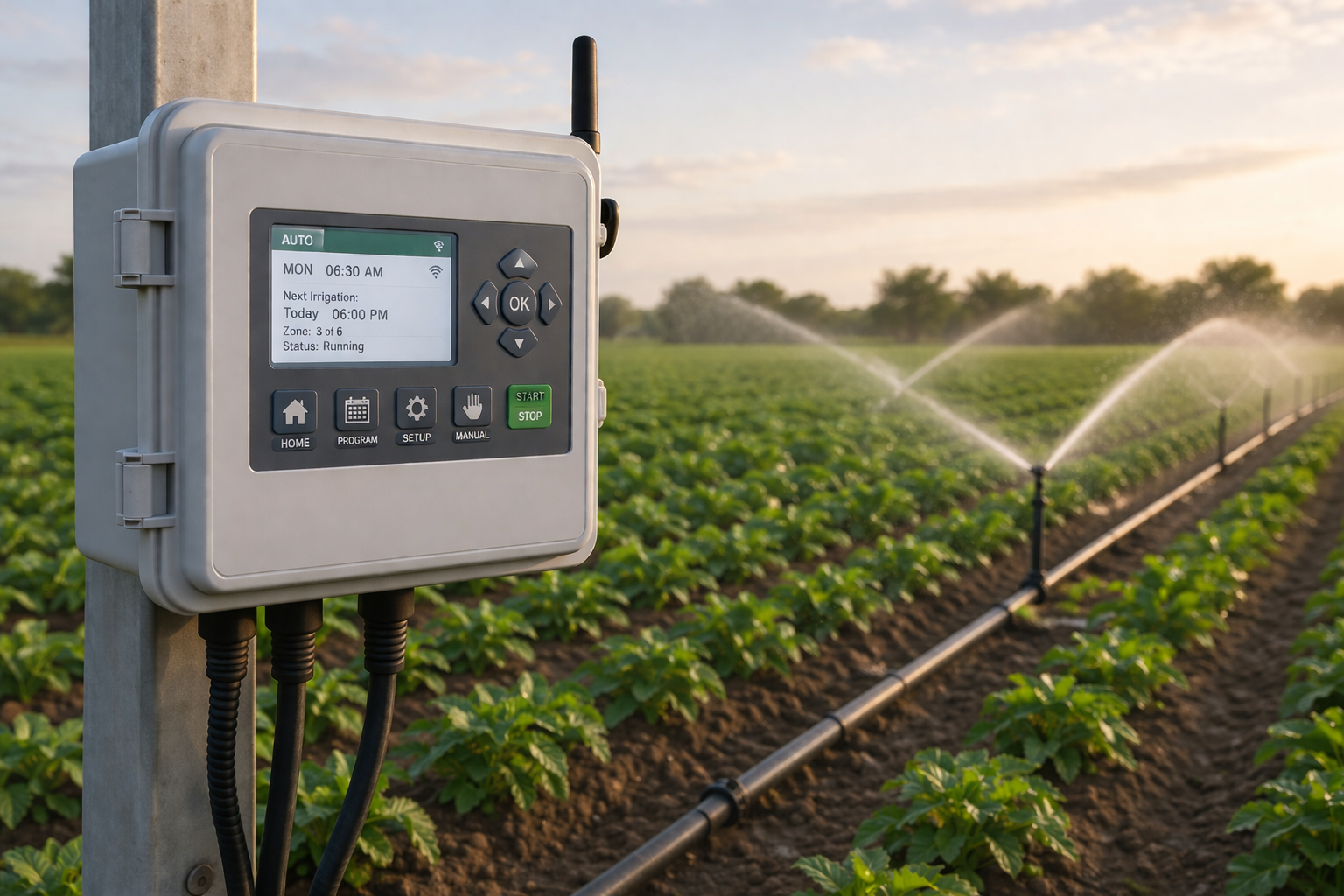
Our team focuses on delivering solutions that align with both property needs and regional conditions, ensuring dependable results throughout every season. With the right controller in place, irrigation becomes a seamless process, supporting healthy landscapes while simplifying maintenance and maximizing overall system performance.
Frequently Asked Questions
What does an irrigation controller do?
An irrigation controller acts as the central command system for your sprinkler setup, determining when and how long each zone is watered. It automates schedules based on programmed settings or environmental data. Proper configuration ensures efficient water use, consistent coverage, and reduced manual effort while maintaining healthy landscapes year-round effectively.
How long does installation take?
Installation time depends on system complexity, wiring requirements, and integration with existing irrigation components. Most controller installations can be completed within a few hours, while more advanced smart systems may take longer. Proper setup and testing are essential to ensure accurate operation and long-term reliability of the irrigation system.
Can old irrigation systems use new controllers?
Yes, many older irrigation systems can be upgraded with modern controllers. Compatibility depends on wiring, valve configuration, and system condition. Upgrading controllers improves efficiency and adds advanced features without requiring a full system replacement, making it a cost-effective way to enhance overall irrigation performance.
How often should irrigation controllers be reprogrammed?
Controllers should be adjusted at least seasonally to reflect changes in weather, temperature, and plant requirements. Additional updates may be needed during extreme weather shifts. Regular reprogramming ensures efficient water usage, prevents overwatering, and maintains optimal landscape health throughout different environmental conditions and seasonal transitions.
Do smart controllers really save water?
Yes, smart controllers use weather data, soil moisture levels, and scheduling adjustments to optimize watering. This reduces unnecessary irrigation cycles and prevents overwatering. Over time, these systems significantly lower water consumption while maintaining healthy landscapes, making them an effective solution for both efficiency and sustainability.
Is professional programming necessary?
While basic programming can be done manually, professional programming ensures precise calibration based on zone needs, soil conditions, and climate factors. In Provo & Utah County, Utah, Dr. Sprinkler Master Inc. ensures controllers are configured for maximum efficiency, reducing errors and improving long-term system performance significantly.
Can I control my irrigation system remotely?
Many modern controllers offer remote access through mobile apps. This allows users to adjust schedules, monitor system performance, and respond to weather changes instantly. Remote control provides convenience and flexibility, ensuring irrigation systems can be managed effectively without needing to be physically present at the property.
What makes professional installation better than DIY?
Professional installation ensures proper wiring, compatibility, and accurate system configuration. In Provo & Utah County, Utah, Dr. Sprinkler Master Inc. focuses on precise setup and programming, preventing common issues such as incorrect zone operation or inefficient scheduling while ensuring reliable, long-term irrigation system performance.