Sprinkler Maintenance and Seasonal Tune Ups in Provo & Utah County, Utah
Seasonal Maintenance Plans That Keep Irrigation Systems Performing
A sprinkler system that operates without regular maintenance rarely delivers the performance it was designed to achieve. Over time, even minor issues—such as partially clogged nozzles, uneven pressure, or gradual component wear—can reduce efficiency and compromise coverage. At Dr. Sprinkler Master Inc., sprinkler maintenance and seasonal tune-ups are structured to restore precision, ensuring systems function as intended throughout the year. A properly maintained system does more than distribute water—it supports landscape health by delivering consistent, controlled irrigation while minimizing unnecessary strain on essential components and infrastructure.
We serve Provo & Utah County, Utah, as well as the surrounding areas, including Orem, Lehi, Springville, and Spanish Fork. Landscapes across this region are influenced by a combination of dry summer conditions, cooler seasonal transitions, and varying soil compositions. Elevation differences and climate patterns further impact how irrigation systems perform. Without regular adjustments, these factors can lead to inefficient watering and uneven distribution. Scheduled maintenance ensures systems remain aligned with local environmental conditions, improving reliability and reducing water waste throughout changing seasons.
Our approach is centered on proactive care designed to prevent problems before they develop. Each tune-up involves a detailed evaluation of system performance, allowing adjustments that improve efficiency and consistency. Spray patterns are refined, components are inspected, and operational settings are optimized to match current conditions. By focusing on precision and long-term performance, irrigation systems remain dependable, adaptable, and capable of delivering effective results without unnecessary intervention or disruption.
Our Sprinkler Maintenance and Seasonal Tune-Up Services
System Inspection and Performance Evaluation
Comprehensive inspections assess the overall condition of the sprinkler system, including valves, pipes, heads, and controllers. Identifying inefficiencies or potential issues early ensures proper operation. Detailed evaluations provide insight into system performance, allowing adjustments that improve efficiency and maintain consistent irrigation across all zones effectively.
Sprinkler Head Adjustment and Alignment
Misaligned or damaged sprinkler heads can lead to uneven watering and wasted water. This service includes repositioning, cleaning, and replacing heads as needed to ensure accurate spray patterns. Proper alignment improves coverage consistency and ensures water reaches intended areas without overspray or inefficient distribution across surfaces.
Leak Detection and Repair
Leaks can occur in underground pipes, connections, or valves, often going unnoticed until significant damage occurs. Detection services identify hidden leaks, while targeted repairs restore system integrity. Addressing leaks promptly prevents water loss, reduces utility costs, and protects surrounding soil and landscape features from damage over time.
Pressure Regulation and System Balancing
Incorrect water pressure affects system performance, leading to misting, runoff, or inadequate coverage. Pressure regulation ensures each zone operates within optimal ranges, improving efficiency and preventing damage. Balanced systems deliver consistent water flow, supporting even distribution and reducing stress on sprinkler components during operation cycles.
Seasonal Start-Up and Winterization
Seasonal services prepare irrigation systems for changing weather conditions. Spring start-ups ensure systems are ready for operation, while winterization protects components from freezing temperatures. Proper preparation prevents damage, extends system lifespan, and ensures smooth transitions between seasons without performance disruptions or costly repairs.
Controller Check and Schedule Optimization
Controllers are reviewed and adjusted to ensure accurate scheduling based on seasonal conditions and landscape needs. Programming updates improve efficiency and prevent overwatering. Optimized schedules ensure irrigation systems operate effectively, delivering the right amount of water at the right time without unnecessary usage or manual intervention.
Benefits of Sprinkler Maintenance and Seasonal Tune-Ups
Enhanced Water Efficiency
Regular maintenance ensures sprinkler systems operate at optimal efficiency by identifying leaks, misaligned heads, and pressure inconsistencies. Adjustments reduce water waste and improve distribution accuracy, helping landscapes receive the right amount of water while lowering overall consumption and preventing unnecessary runoff or oversaturation across different zones.
Consistent Coverage Performance
Routine tune-ups maintain even water distribution across all zones, eliminating dry spots and overwatered areas. By calibrating spray patterns and flow rates, systems deliver balanced coverage that supports uniform growth, improves landscape appearance, and ensures every section receives adequate hydration throughout the watering cycle consistently.
Extended System Lifespan
Preventative maintenance reduces wear on key components such as valves, pipes, and sprinkler heads. Addressing minor issues early prevents larger failures, extending the life of the entire system. Consistent upkeep ensures reliable operation while minimizing the risk of costly repairs or premature equipment replacement over time.
Seasonal Adaptability
Seasonal tune-ups adjust system settings to match changing weather conditions, ensuring efficient operation year-round. By modifying schedules, pressure, and output levels, irrigation systems remain aligned with environmental demands, preventing overwatering during cooler months and maintaining adequate hydration during peak summer heat conditions effectively.
Reduced Repair Costs
Identifying and resolving issues early prevents minor problems from developing into major repairs. Maintenance services catch hidden leaks, worn components, or pressure irregularities before they escalate, saving money over time while ensuring the system continues to operate efficiently without unexpected breakdowns or costly emergency interventions.
Improved System Reliability
A well-maintained sprinkler system operates consistently without interruptions or performance issues. Routine inspections and adjustments ensure all components function correctly, reducing the likelihood of system failures. Reliable operation provides confidence that irrigation will continue as expected, even during critical seasonal periods when landscapes need it most.
Consistent Care That Extends System Life and Efficiency
Long-term irrigation performance depends on consistent care. At Dr. Sprinkler Master Inc., sprinkler maintenance and seasonal tune-ups are designed to protect systems, improve efficiency, and ensure reliable operation across Provo & Utah County, Utah. Every adjustment, inspection, and optimization step is focused on maintaining balance—between water usage, system performance, and landscape health. Instead of reacting to breakdowns, our approach emphasizes prevention, ensuring systems operate smoothly through seasonal changes and environmental challenges.
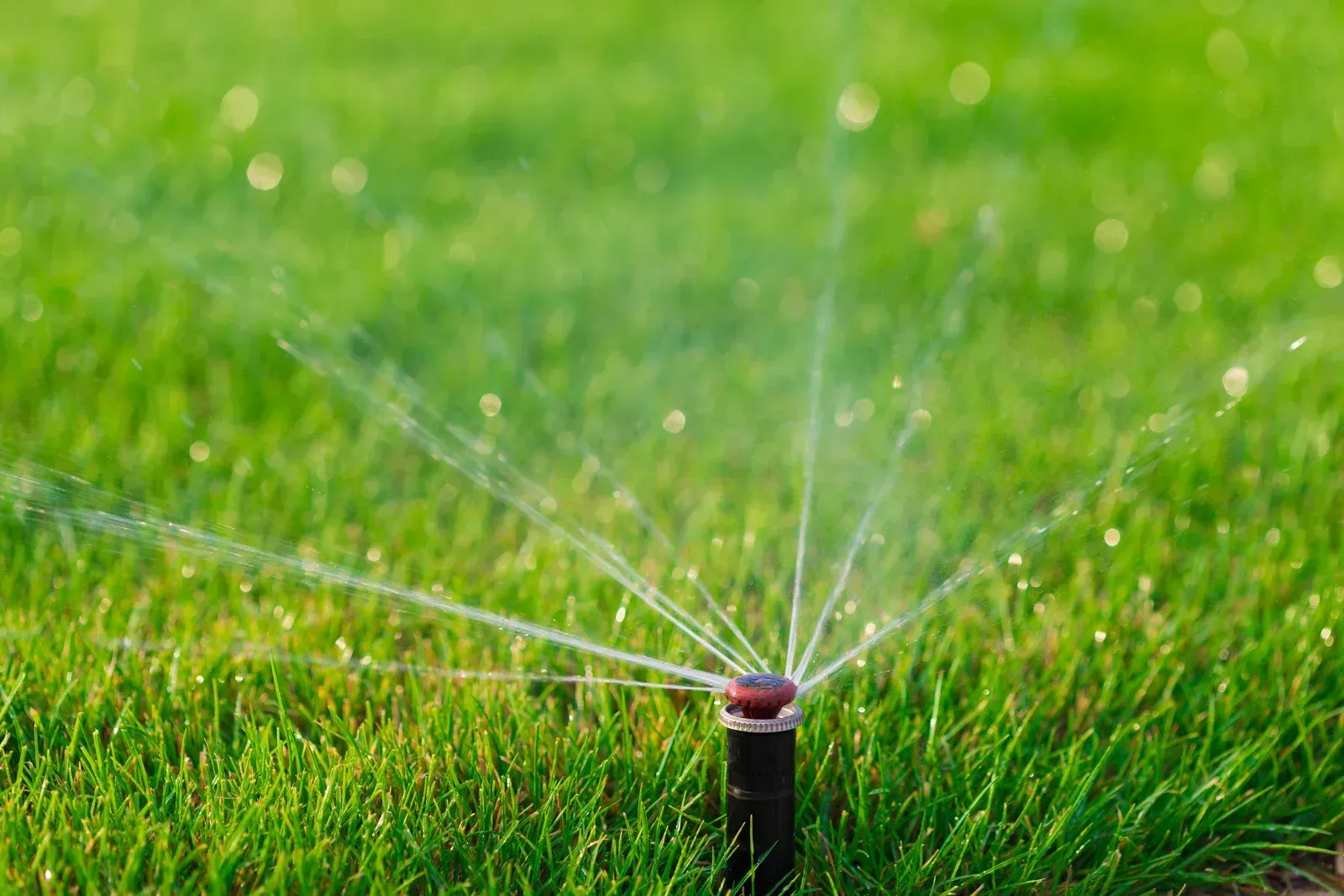
A properly maintained system reduces waste, lowers costs, and supports healthier outdoor spaces without constant intervention. With structured maintenance and precise seasonal adjustments, irrigation becomes dependable and efficient, allowing landscapes to thrive while preserving the integrity of the entire system for years to come.
Frequently Asked Questions
How often should sprinkler maintenance be performed?
Sprinkler maintenance should be performed at least twice a year, typically during spring start-up and fall winterization. Additional inspections may be needed during peak summer months to ensure efficiency. Regular maintenance helps identify issues early, maintain proper performance, and prevent costly repairs while ensuring consistent water distribution across the entire irrigation system.
What is included in a seasonal tune-up?
A seasonal tune-up includes system inspection, sprinkler head adjustment, leak detection, pressure checks, and controller programming updates. It ensures the system operates efficiently according to seasonal conditions. These services help maintain consistent performance, improve water efficiency, and ensure that every irrigation zone receives appropriate coverage without unnecessary waste or imbalance.
Why is winterization important for sprinkler systems?
Winterization protects irrigation systems from freezing temperatures that can damage pipes, valves, and sprinkler heads. Removing water from the system prevents expansion caused by freezing, which can lead to cracks or leaks. Proper winterization ensures the system remains intact and ready for operation when warmer weather returns in spring.
Can maintenance reduce water bills?
Yes, regular maintenance improves system efficiency by eliminating leaks, correcting spray patterns, and optimizing schedules. These adjustments reduce water waste and ensure that only the necessary amount of water is used. Over time, improved efficiency leads to noticeable savings on water bills while maintaining healthy and properly irrigated landscapes.
How do I know if my sprinkler system needs maintenance?
Signs include uneven watering, dry patches, excessive runoff, low pressure, or unusually high water bills. These indicators suggest inefficiencies or hidden issues within the system. Addressing them through maintenance ensures proper operation, prevents further damage, and restores balanced irrigation across all zones for consistent landscape performance.
Is professional maintenance better than DIY checks?
While basic checks can be done independently, professional maintenance provides a comprehensive evaluation of the entire system. In Provo & Utah County, Utah, Dr. Sprinkler Master Inc. ensures accurate diagnostics, proper adjustments, and efficient performance, reducing the risk of overlooked issues and improving long-term system reliability and effectiveness.
What happens during a spring start-up service?
Spring start-up involves reactivating the irrigation system after winter, checking for damage, adjusting sprinkler heads, and ensuring proper pressure levels. In Provo & Utah County, Utah, Dr. Sprinkler Master Inc. carefully inspects each component, ensuring the system is fully operational and ready to handle increased watering demands during the growing season.
Can maintenance prevent major system failures?
Yes, regular maintenance identifies minor issues before they escalate into significant problems. Addressing leaks, worn components, or pressure inconsistencies early prevents system breakdowns. Preventative care ensures reliable operation, reduces repair costs, and extends the lifespan of the irrigation system while maintaining consistent performance throughout the year.