Smarter Irrigation Starts with Intelligent Upgrades in Provo & Utah County, Utah
Upgrade to Smart Irrigation for Adaptive Water Management
Watering your landscape should never feel like guesswork. Outdated irrigation systems often waste water, miss critical timing, and struggle to adapt to seasonal changes. At Dr. Sprinkler Master Inc., smart irrigation system upgrades bring precision, automation, and efficiency into every zone, ensuring landscapes receive exactly what they need, when they need it, without excess or inconsistency. Every upgrade is designed to replace outdated patterns with intelligent performance, creating a system that responds with purpose rather than routine scheduling.
We operate throughout Provo & Utah County, Utah, reaching surrounding areas like Orem, Lehi, American Fork, and Springville. In this region, water conservation is not optional—it is essential. With fluctuating temperatures, dry summers, and strict water usage considerations, irrigation systems must perform efficiently under changing conditions. Smart upgrades are built to align with these regional demands, helping properties maintain healthy landscapes while reducing unnecessary water usage and supporting responsible resource management.
Smart irrigation upgrades go beyond replacing controllers. They introduce weather-based adjustments, soil moisture responsiveness, and advanced scheduling that adapts in real time. The result is a system that thinks, responds, and performs with accuracy. Whether managing a residential lawn or a commercial property, upgrading to smart technology ensures every drop of water contributes to healthier landscapes, stronger root systems, and more efficient long-term performance across every irrigation zone.
Our Smart Irrigation Upgrade Services
Smart Controller Installation and Integration
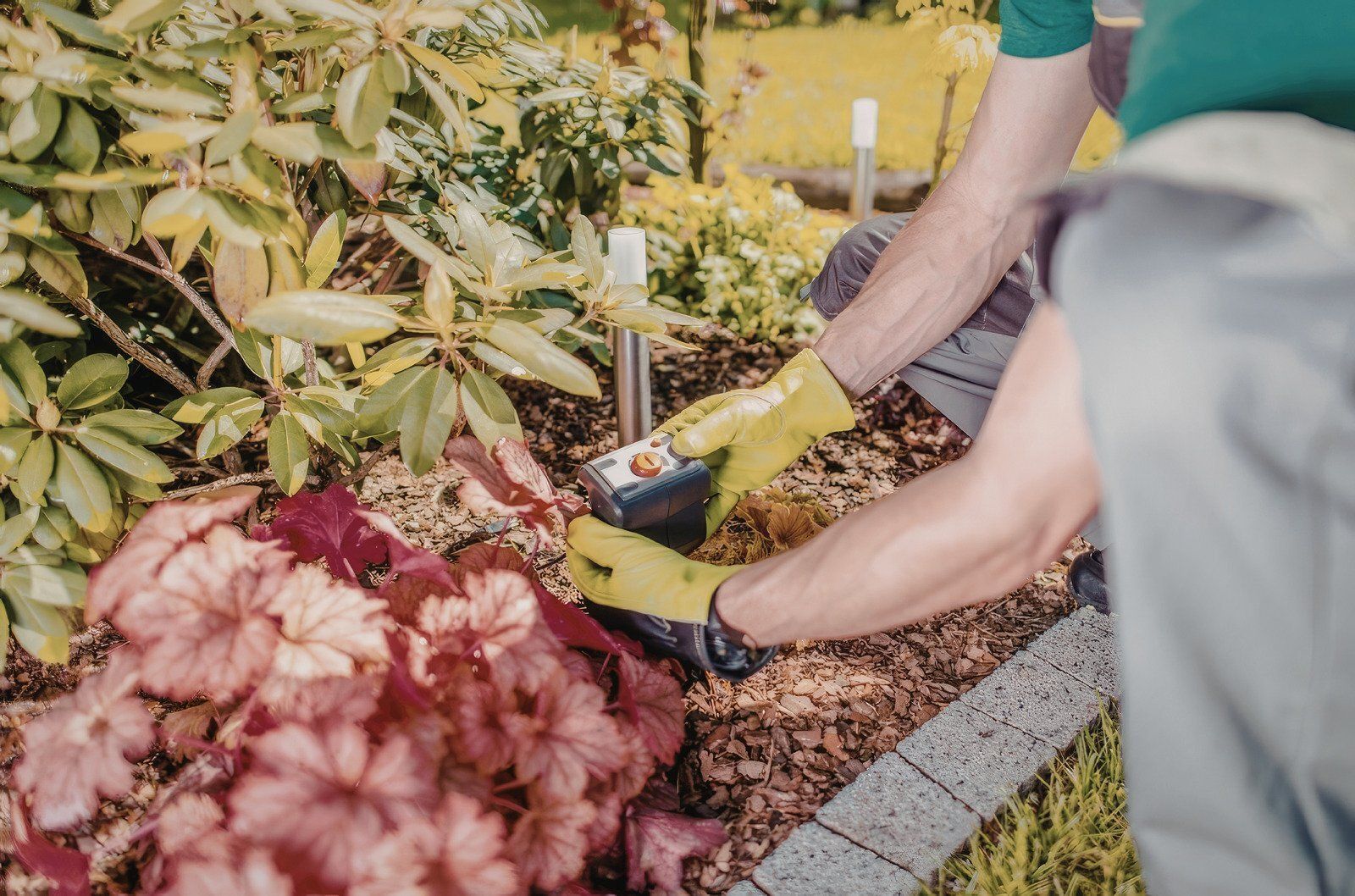
Upgrading outdated controllers with advanced smart technology enables automated scheduling and real-time adjustments. Integration with existing irrigation systems ensures seamless functionality while improving efficiency. These controllers respond to environmental conditions, optimizing watering cycles and eliminating manual errors associated with traditional timer-based irrigation systems and outdated programming methods.
Weather Sensor Installation and Calibration
Installing weather sensors allows irrigation systems to respond directly to rainfall, temperature, and humidity changes. Calibration ensures accurate data interpretation, enabling automatic adjustments. This prevents unnecessary watering during rain events and adapts irrigation schedules based on real-time environmental conditions for improved efficiency and better landscape management outcomes.
Soil Moisture Sensor Integration
Soil moisture sensors measure ground saturation levels and communicate directly with irrigation controllers. This ensures watering only occurs when necessary, preventing overwatering and root damage. Integration enhances system intelligence by aligning irrigation cycles with actual soil conditions rather than relying solely on preset schedules or estimated watering needs.
Zone Optimization and System Reprogramming
Each irrigation zone is evaluated and adjusted to ensure uniform coverage and efficiency. Reprogramming aligns watering schedules with plant types, soil conditions, and exposure levels. This process improves distribution accuracy, eliminates inefficiencies, and ensures every area receives the correct amount of water based on its unique requirements.
Smart Valve and Flow Sensor Upgrades
Advanced valves and flow sensors monitor water usage and detect irregularities such as leaks or pressure issues. Upgrading these components enhances system reliability and efficiency. Real-time monitoring allows for immediate response to problems, reducing water waste and preventing potential damage to irrigation infrastructure and surrounding landscapes.
System Diagnostics and Performance Testing
Comprehensive diagnostics evaluate the performance of the upgraded system, identifying inefficiencies and ensuring proper functionality. Testing verifies that all components operate cohesively, delivering accurate water distribution. This step ensures the upgraded system performs at optimal levels, providing long-term efficiency, reliability, and consistent irrigation results across all zones.
Benefits of Smart Irrigation System Upgrades
Optimized Water Efficiency
Smart irrigation systems analyze weather patterns, soil moisture levels, and seasonal conditions to deliver precise watering. This prevents overwatering and runoff while ensuring plants receive adequate hydration. The result is reduced water waste, improved conservation, and consistent landscape health throughout varying environmental conditions and changing climate patterns year-round.
Automated Weather-Based Adjustments
These systems automatically adjust watering schedules based on real-time weather data such as rainfall, temperature, and humidity. This eliminates manual intervention while ensuring irrigation cycles remain accurate and efficient. Landscapes receive the right amount of water without unnecessary cycles, improving plant health and preventing stress caused by inconsistent watering routines.
Cost Savings Over Time
Reducing water usage directly impacts utility expenses, making smart irrigation upgrades a financially sound investment. Efficient scheduling and precise application prevent waste while maintaining optimal coverage. Over time, homeowners and property managers benefit from lower monthly water bills without compromising landscape quality, performance, or overall visual appeal and functionality.
Improved Landscape Health and Growth
Consistent and accurate watering supports deeper root development, stronger plant structures, and more resilient lawns. Smart systems eliminate the risks associated with uneven watering, such as dry patches or over-saturated areas. This balanced approach promotes healthier growth while maintaining the natural beauty and long-term sustainability of outdoor spaces.
Remote Access and Control Capabilities
Modern smart irrigation controllers allow users to monitor and adjust systems remotely through mobile devices. This level of control ensures immediate response to changing conditions, system issues, or schedule updates. Convenience and accessibility make it easier to maintain efficient irrigation without being physically present at the property at all times.
Long-Term System Performance and Reliability
Upgrading to smart irrigation technology enhances overall system performance by integrating advanced diagnostics and efficient operation. These systems reduce wear on components, prevent overuse, and maintain consistent functionality. The result is a longer-lasting irrigation system that operates reliably with minimal maintenance and fewer unexpected failures or inefficiencies.
Technology Driven Solutions for Smarter Water Usage
Smart irrigation upgrades redefine how landscapes are maintained, shifting from reactive watering to intelligent, data-driven management. At Dr. Sprinkler Master Inc., every upgrade is approached with a focus on accuracy, efficiency, and long-term performance. By integrating advanced technology into existing systems, irrigation becomes more responsive, sustainable, and aligned with environmental demands. In Provo & Utah County, Utah, where water conservation and landscape health are closely connected, upgrading irrigation systems is a practical step toward responsible property management.
These systems reduce waste, improve plant vitality, and simplify ongoing maintenance through automation and control. The result is a landscape that not only looks better but functions smarter every day. Choosing smart irrigation is not just an upgrade—it is a strategic improvement that delivers measurable results.
Frequently Asked Questions
What is a smart irrigation system upgrade?
A smart irrigation system upgrade involves replacing or enhancing traditional irrigation components with advanced technology. This includes smart controllers, sensors, and automated scheduling features that adjust watering based on weather and soil conditions. The goal is to improve efficiency, reduce water waste, and ensure consistent, precise irrigation performance across landscapes.
How does smart irrigation save water?
Smart irrigation systems use real-time data such as weather forecasts, rainfall, and soil moisture levels to determine when and how much to water. This prevents unnecessary watering cycles and ensures water is only applied when needed. By eliminating waste, these systems significantly reduce overall water consumption while maintaining healthy landscapes.
Can existing irrigation systems be upgraded?
Yes, most existing irrigation systems can be upgraded without complete replacement. Components such as controllers, sensors, and valves can be integrated into current setups. This allows property owners to benefit from advanced technology without rebuilding the entire system, making upgrades cost-effective and practical for various landscape types.
Are smart irrigation systems difficult to manage?
Smart irrigation systems are designed for ease of use. Many systems offer mobile applications that allow users to monitor and adjust settings remotely. Automated features handle most operations, reducing the need for manual intervention while ensuring efficient and consistent watering based on real-time environmental conditions and system performance data.
How quickly do upgrades show results?
Results from smart irrigation upgrades are often noticeable immediately. Water usage typically decreases within the first billing cycle, while improvements in landscape health become visible over time. Consistent watering and optimized schedules contribute to stronger growth, reduced stress, and a more balanced, visually appealing outdoor environment.
Are smart irrigation upgrades suitable for large properties?
Yes, smart irrigation systems are highly scalable and suitable for both small and large properties. Advanced controllers and sensors can manage multiple zones efficiently, ensuring consistent performance across expansive landscapes. These systems provide centralized control while maintaining precise watering for each individual area, regardless of property size or complexity.
Why choose professional installation for smart upgrades?
Professional installation ensures proper integration, calibration, and performance of smart irrigation components. Dr. Sprinkler Master Inc. in Provo & Utah County, Utah applies technical expertise to configure systems accurately, preventing inefficiencies and ensuring long-term reliability. Proper setup is essential for maximizing the benefits of smart irrigation technology.
Do smart irrigation systems require maintenance?
While smart systems reduce overall maintenance needs, periodic inspections are still recommended. Dr. Sprinkler Master Inc. in Provo & Utah County, Utah ensures systems remain calibrated, sensors function correctly, and all components operate efficiently. Routine maintenance helps sustain performance, extend system lifespan, and maintain optimal irrigation efficiency.