Irrigation System Upgrades and Retrofits in Provo & Utah County, Utah
Modern Irrigation Upgrades Designed for Improved System Performance
Outdated irrigation systems don’t fail all at once—they slowly lose efficiency, consistency, and control. What once worked reliably begins to waste water, create uneven coverage, and demand constant adjustments. At Dr. Sprinkler Master Inc., irrigation system upgrades and retrofits are approached as a strategic transformation, not just a repair. With over 26 years of experience, we focus on modernizing existing systems to improve performance, reduce waste, and align with today’s water efficiency standards. Every upgrade is carefully planned to integrate new components without disrupting the foundation of your current system.
Our services are available across Provo & Utah County, Utah, and surrounding regions like Orem, Lehi, Springville, and American Fork. Irrigation systems across this region must adapt to fluctuating temperatures, varied soil compositions, and seasonal water demands. These local conditions often expose the limitations of older systems, making upgrades essential for maintaining consistent performance. By understanding how regional factors influence irrigation, we ensure every retrofit is tailored for durability and efficiency in this specific environment.
Upgrading an irrigation system is about more than replacing parts—it’s about rethinking how water moves, how control is managed, and how efficiency is achieved. Our process focuses on identifying outdated components, improving system balance, and integrating modern technology where it delivers the most value. The result is a system that operates with precision, responds to changing conditions, and supports long-term landscape health without unnecessary water use or ongoing inefficiencies built into outdated designs.
Our Irrigation System Upgrade and Retrofit Services
Controller Upgrades and Smart System Integration
Replacing outdated controllers with advanced smart systems improves scheduling accuracy and responsiveness. These upgrades allow irrigation to adjust automatically based on environmental conditions, ensuring efficient water use. Integration enhances system control, reduces manual adjustments, and ensures consistent irrigation performance tailored to changing weather patterns.
Sprinkler Head Modernization and Replacement
Upgrading sprinkler heads improves water distribution and eliminates inefficiencies caused by outdated designs. Modern heads provide better coverage, reduced misting, and improved durability. Replacing worn or inefficient heads ensures consistent performance across all zones while reducing water waste and enhancing overall system effectiveness.
Pipe and Line System Optimization
Older irrigation systems may have inefficient or damaged piping that affects performance. Optimizing pipe layouts and replacing worn sections improves water flow, reduces leaks, and ensures consistent pressure. This upgrade enhances system efficiency while preventing long-term structural issues that could impact irrigation reliability.
Valve System Upgrades and Enhancements
Upgrading valves improves control over water flow and ensures reliable zone operation. Modern valves provide better durability, improved responsiveness, and compatibility with advanced controllers. This ensures precise irrigation scheduling, reduces system strain, and supports consistent performance across all areas of the landscape.
Pressure Regulation and Flow Improvement
Adjusting and upgrading pressure regulation components ensures water is delivered at optimal levels throughout the system. Proper pressure management prevents damage to components, improves efficiency, and ensures even distribution. This upgrade supports long-term system health while maintaining consistent irrigation performance across all zones.
Drip Irrigation Conversion and Efficiency Upgrades
Converting traditional irrigation areas to drip systems improves efficiency by delivering water directly to plant roots. This reduces evaporation and runoff while supporting targeted watering. Upgrading to drip irrigation enhances water conservation, improves plant health, and provides a more controlled and efficient irrigation solution.
Benefits of Irrigation System Upgrades and Retrofits
Enhanced Water Efficiency
Upgrading irrigation systems improves water efficiency by replacing outdated components with modern, precise technologies. This ensures water is distributed accurately based on landscape needs, reducing waste and overwatering. Improved efficiency supports sustainable water use while maintaining healthy plant growth and consistent coverage across all irrigation zones.
Improved System Reliability
Older systems often experience frequent breakdowns due to worn components and outdated technology. Upgrades strengthen system reliability by introducing durable materials and improved mechanisms. This reduces unexpected failures, ensures consistent operation, and minimizes the need for ongoing repairs that disrupt irrigation schedules and landscape health.
Better Zone Control and Coverage
Retrofits enhance how irrigation zones function by correcting imbalances and improving coverage patterns. This ensures each area receives the right amount of water without overlap or dry spots. Improved zone control supports uniform growth, healthier landscapes, and more efficient use of water resources across the entire system.
Integration with Smart Technology
Modern upgrades allow integration with smart controllers and automation systems that adjust watering schedules based on weather and soil conditions. This reduces manual intervention, increases efficiency, and ensures irrigation systems adapt dynamically, providing precise watering that aligns with real-time environmental changes and landscape requirements.
Reduced Maintenance Requirements
Upgrading aging components minimizes the need for constant repairs and adjustments. Modern systems are designed for durability and consistent performance, reducing wear and tear over time. This leads to fewer service interruptions, lower maintenance costs, and a more dependable irrigation system that operates efficiently with minimal oversight.
Long-Term Cost Savings
While upgrades require an initial investment, they deliver long-term savings by reducing water usage, minimizing repairs, and improving system efficiency. A well-upgraded irrigation system operates more effectively, lowering operational costs and ensuring that resources are used wisely without unnecessary expenses tied to outdated infrastructure.
Enhancing Existing Systems with Efficient New Technology
An irrigation system should evolve alongside the landscape it supports. At Dr. Sprinkler Master Inc., upgrades and retrofits are designed to bring outdated systems to a new level of efficiency, precision, and reliability. Every improvement is made with intention, ensuring that each component works together to create a system that performs consistently under changing conditions. Across Provo & Utah County, Utah, irrigation demands continue to shift, requiring systems that can adapt without constant intervention.
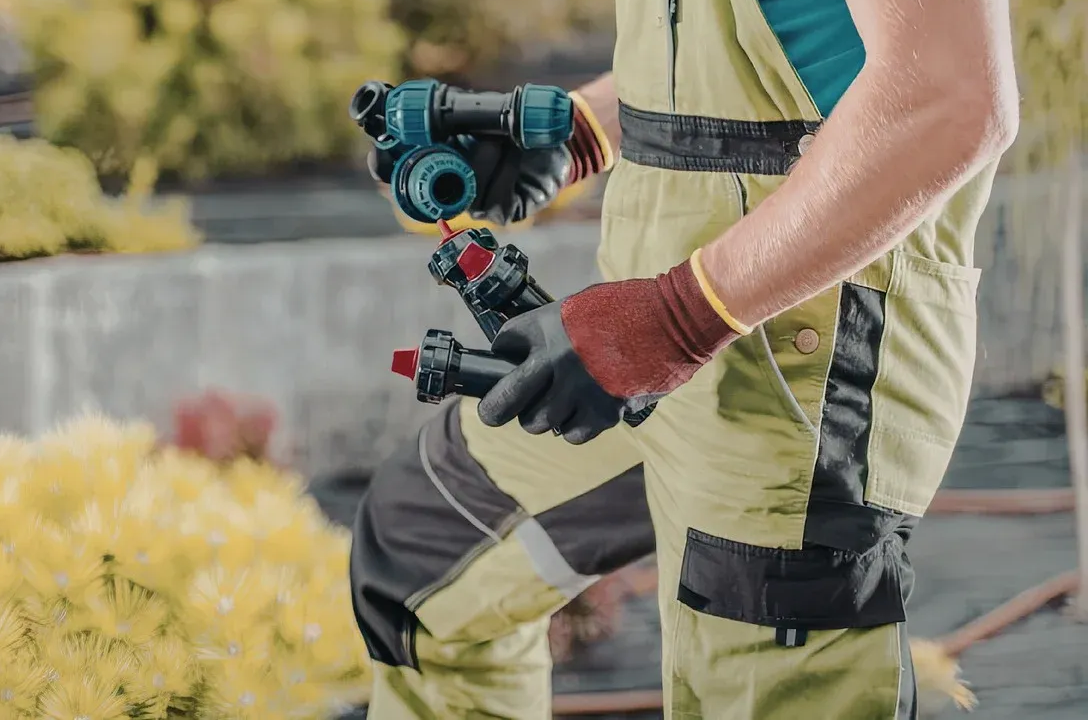
The result is a system that supports healthy landscapes, reduces maintenance concerns, and delivers dependable performance year after year. Whether planning for a new installation or improving an existing setup, the right design lays the groundwork for lasting results and better water management.
Frequently Asked Questions
What is the difference between irrigation repair and system upgrades?
Irrigation repair focuses on fixing specific issues such as leaks or broken components, while system upgrades improve overall performance by replacing outdated parts with modern solutions. Upgrades enhance efficiency, control, and reliability, ensuring the system functions better as a whole rather than addressing isolated problems.
How do I know if my irrigation system needs an upgrade?
Signs include inconsistent watering, frequent repairs, high water bills, and outdated components. If the system struggles to maintain efficiency or requires constant adjustments, upgrading can improve performance. A professional evaluation helps determine whether improvements are needed to restore reliability and optimize water usage.
Can older irrigation systems be upgraded without full replacement?
Yes, many older systems can be retrofitted with modern components without requiring a complete replacement. Upgrades can focus on controllers, valves, or sprinkler heads while maintaining the existing infrastructure. This approach improves efficiency and performance without the cost of installing an entirely new system.
How long does an irrigation upgrade project usually take?
The duration depends on the complexity of the system and the extent of the upgrades. Smaller retrofits may take a few hours, while larger upgrades can take one or more days. Proper planning ensures the process is efficient and minimizes disruption to the landscape and irrigation schedule.
Are smart irrigation systems worth the investment?
Smart irrigation systems provide long-term benefits by adjusting watering schedules based on weather and soil conditions. This reduces water waste, improves efficiency, and ensures optimal hydration for landscapes. The initial investment is often offset by lower water bills and reduced maintenance needs over time.
Do upgrades improve water pressure and flow consistency?
Yes, upgrading components such as valves, pipes, and pressure regulators helps stabilize water flow and pressure. This ensures consistent distribution across all zones, prevents damage to system components, and improves overall irrigation efficiency, leading to better landscape health and reduced operational issues.
Can Dr. Sprinkler Master Inc. in Provo & Utah County, Utah handle complex retrofit projects?
Yes, Dr. Sprinkler Master Inc. in Provo & Utah County, Utah has the experience to manage complex irrigation upgrades and retrofits. Each project is carefully planned to ensure compatibility between existing and new components, delivering reliable results while maintaining system integrity and improving overall performance.
How do irrigation upgrades impact long-term system costs?
Upgrades reduce long-term costs by improving efficiency, minimizing water waste, and lowering maintenance requirements. Modern components are more durable and reliable, reducing the need for frequent repairs. This ensures the system operates efficiently over time, providing consistent performance while controlling operational expenses effectively.