Irrigation System Design in Provo & Utah County, Utah
Fast and Accurate Sprinkler Repairs That Restore Performance
Effective irrigation begins long before installation—it starts with a design that understands the land, water flow, and long-term sustainability. At Dr. Sprinkler Master Inc., irrigation system design is approached with a technical mindset, combining practical field experience with forward-thinking planning to create systems that deliver consistent performance. Every property presents unique challenges, from soil composition to plant requirements, and our designs are built to address those variables with accuracy. The goal is not just coverage, but controlled distribution that supports healthy landscapes while minimizing waste.
We serve Provo & Utah County, Utah, as well as the surrounding areas, including Orem, Springville, Spanish Fork, and Lehi. Landscapes across Utah County are shaped by seasonal dryness, fluctuating temperatures, and varying soil conditions, making strategic irrigation design essential. Water conservation and efficient distribution are not optional in this region—they are critical. Designing systems that align with local environmental demands ensures reliable operation throughout changing seasons while protecting long-term landscape health.
Our approach focuses on structure, balance, and adaptability. From zoning layouts to pressure management, every detail is mapped with intention. A well-designed irrigation system reduces future repairs, improves efficiency, and creates a foundation for sustainable outdoor spaces. With 26+ years of experience guiding each design, every solution is built to perform under real-world conditions while remaining flexible for future upgrades or modifications. Take the first step toward a smarter, more efficient irrigation system—connect with our team today to discuss your project and get a customized design tailored to your landscape.
Our Irrigation System Design Services
Site Evaluation and Water Requirement Analysis
Every design begins with a detailed site evaluation to understand soil composition, drainage patterns, and plant requirements. This process ensures accurate water calculations and system planning, allowing for a tailored irrigation layout that meets the specific needs of the landscape while optimizing efficiency and long-term functionality.
Custom Irrigation Layout Planning and Zoning
Effective irrigation relies on proper zoning and layout design. Systems are planned to divide landscapes into manageable sections based on plant type, sun exposure, and water demand. This structured approach ensures each zone receives appropriate watering, improving efficiency while maintaining consistent coverage across the entire property.
Sprinkler and Drip System Integration Design
Designing the right combination of sprinkler heads and drip irrigation systems ensures versatility and efficiency. Sprinklers cover larger areas, while drip systems deliver targeted watering. Integrating both methods within a single design allows for precise water distribution, supporting different landscape elements without unnecessary waste.
Water Pressure and Flow Optimization Planning
Balanced water pressure is essential for system performance. Design includes careful calculation of pressure requirements and flow rates to prevent issues such as uneven coverage or component damage. Proper planning ensures the system operates smoothly, delivering consistent results without overloading pipes or fixtures.
Smart Irrigation Technology Planning and Integration
Modern irrigation systems benefit from smart technology integration. Design planning includes compatibility with timers, sensors, and automated controls that adjust watering schedules based on weather conditions. This enhances efficiency, reduces manual intervention, and ensures landscapes receive optimal watering without excessive resource use.
Drainage and Runoff Management Design Solutions
Effective irrigation design considers not just water delivery but also drainage. Proper planning prevents water pooling, soil erosion, and runoff issues that can damage landscapes. Incorporating drainage solutions ensures water is absorbed efficiently, maintaining soil stability and protecting both plants and structural elements within the property.
Benefits of Professional Irrigation System Design
Optimized Water Distribution Efficiency
A professionally designed irrigation system ensures water is distributed evenly across all zones, eliminating dry patches and overwatering. Strategic placement of sprinkler heads and drip lines allows landscapes to receive the right amount of moisture, improving plant health while reducing unnecessary water consumption and long-term operational inefficiencies.
Reduced Water Waste and Lower Utility Costs
Efficient irrigation design minimizes water waste by aligning system output with actual landscape requirements. Proper zoning, pressure regulation, and timing controls ensure that water is used only where needed, helping reduce utility bills while supporting environmentally responsible practices that contribute to long-term sustainability and resource conservation.
Enhanced Plant Health and Growth Consistency
Plants thrive when they receive consistent and appropriate watering. A well-designed system supports root development, prevents stress caused by uneven watering, and promotes balanced growth. By tailoring irrigation to plant types and soil conditions, landscapes maintain healthier vegetation with reduced risk of disease or deterioration over time.
Improved System Longevity and Performance Reliability
Designing an irrigation system correctly from the start reduces wear and tear on components. Balanced pressure, proper layout, and efficient water flow prevent strain on pipes and fixtures, extending the lifespan of the system while ensuring consistent performance without frequent breakdowns or costly maintenance issues.
Customized Solutions for Unique Property Needs
Every landscape has distinct requirements, and professional design ensures those needs are addressed. Factors such as slope, soil type, sun exposure, and plant selection are incorporated into the design process, resulting in a system that works in harmony with the environment rather than applying a generic, one-size-fits-all approach.
Future-Ready Design with Scalability Options
A thoughtfully designed irrigation system allows for future expansion or modifications without requiring a complete overhaul. Whether adding new landscape features or upgrading technology, a scalable design ensures flexibility, making it easier to adapt the system as property needs evolve over time.
Custom Layouts That Support Efficient Landscape Growth
Strong irrigation systems begin with smart design. At Dr. Sprinkler Master Inc., every irrigation system design is built with intention, ensuring water flows where it is needed, when it is needed, without waste or inefficiency. In Provo & Utah County, Utah and throughout Utah County, landscapes demand solutions that respond to changing weather, soil conditions, and long-term sustainability goals. That is why each design focuses on structure, precision, and adaptability. By combining technical expertise with real-world experience, irrigation systems are created to perform consistently while remaining flexible for future upgrades.
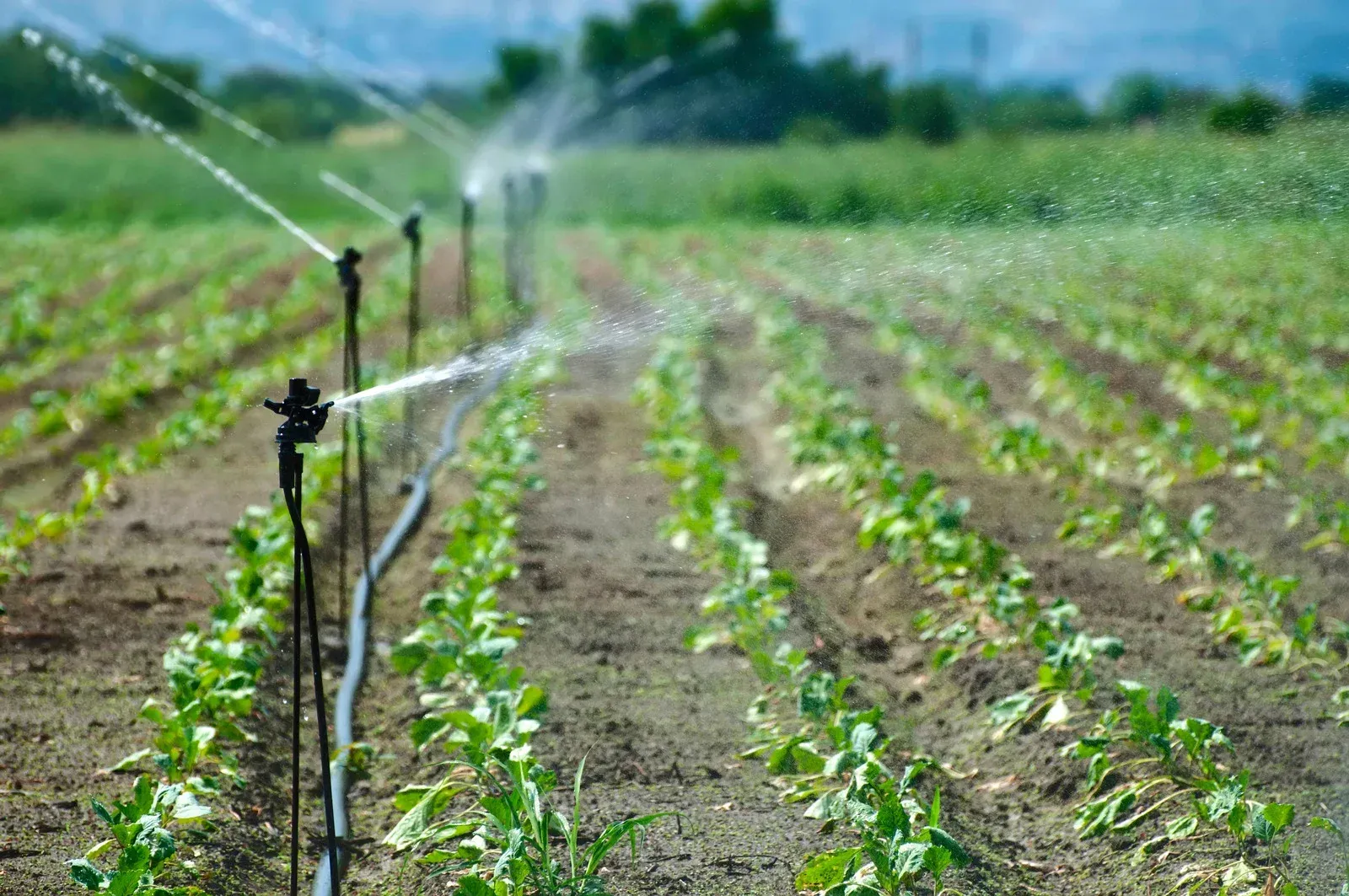
The result is a system that supports healthy landscapes, reduces maintenance concerns, and delivers dependable performance year after year. Whether planning for a new installation or improving an existing setup, the right design lays the groundwork for lasting results and better water management.
Frequently Asked Questions
What is irrigation system design and why is it important?
Irrigation system design involves planning how water is distributed across a landscape using pipes, valves, and emitters. It ensures efficient watering, reduces waste, and supports plant health. A proper design prevents uneven coverage, lowers maintenance needs, and creates a system that performs consistently across varying environmental conditions and seasonal changes over time.
How long does it take to design an irrigation system?
The timeline depends on property size, landscape complexity, and specific requirements. Smaller residential designs may take a few days, while larger or more detailed projects can take longer. Proper planning ensures accuracy, so time is invested in analysis, layout creation, and adjustments to deliver a reliable and efficient irrigation solution.
Can an existing irrigation system be redesigned?
Yes, existing systems can be redesigned to improve efficiency and performance. Redesign may include adjusting zones, upgrading components, or reconfiguring layouts. This process helps correct inefficiencies, reduce water waste, and enhance overall system reliability without requiring a complete replacement, depending on the condition of the current setup.
What factors influence irrigation system design?
Several factors affect design, including soil type, plant selection, slope, water pressure, and climate conditions. Each element plays a role in determining how water should be distributed. Proper evaluation ensures the system meets landscape needs while maintaining efficiency, preventing overwatering, and supporting long-term functionality across all zones.
Is smart irrigation technology included in modern designs?
Modern irrigation designs often include compatibility with smart technology such as timers, sensors, and automated controls. These features adjust watering schedules based on weather conditions, improving efficiency. Integrating technology enhances convenience while reducing water usage and ensuring landscapes receive the right amount of moisture at the right time.
How does irrigation design help conserve water?
A well-designed system uses precise zoning, efficient emitters, and controlled scheduling to minimize water waste. By targeting specific areas and avoiding overwatering, irrigation design ensures resources are used responsibly. This approach supports environmental sustainability while reducing utility costs and maintaining consistent landscape health throughout changing seasons.
Why choose Dr. Sprinkler Master Inc. for irrigation system design in Provo & Utah County, Utah?
Dr. Sprinkler Master Inc. brings 26+ years of experience designing irrigation systems tailored to the unique conditions of Provo & Utah County, Utah. Our team focuses on precision, efficiency, and long-term performance, ensuring every design supports reliable water distribution while adapting to the region’s climate and landscape demands effectively.
How does irrigation design differ in Provo & Utah County, Utah compared to other regions?
Irrigation design in Provo & Utah County, Utah requires attention to seasonal dryness, soil variability, and water conservation needs. Dr. Sprinkler Master Inc. designs systems that account for these regional challenges, ensuring efficient water use and consistent performance while maintaining healthy landscapes despite changing environmental conditions throughout the year.