Valve Repair and Replacement in Provo & Utah County, Utah
Reliable Valve Repairs That Ensure Proper Water Control
A sprinkler system is only as reliable as the valves that control it. When valves fail, everything downstream suffers—uneven watering, pressure loss, wasted water, and potential damage to your landscape. At Dr. Sprinkler Master Inc., we approach valve repair and replacement as a critical service that restores control, efficiency, and long-term system performance. With over 26 years of experience, we focus on accurate diagnosis, durable solutions, and clean execution that keeps irrigation systems working exactly as intended. Every system is treated as a network where precision matters, ensuring each component functions in sync with the rest.
Based in Provo & Utah County, Utah, we also cover neighboring locations such as Orem, Lehi, Springville, and American Fork.
Irrigation systems across this region face shifting soil conditions, seasonal temperature swings, and water usage demands that place stress on valves over time. These local environmental factors require precise attention to ensure valves open, close, and regulate flow without failure or inconsistency. Understanding how regional conditions affect performance allows us to deliver solutions that are not only effective but also built to last.
Valve issues are rarely isolated problems—they often signal deeper system imbalances. Our approach focuses on identifying root causes, not just surface symptoms. Whether addressing electrical malfunctions, pressure inconsistencies, or worn components, every repair or replacement is handled with clarity and purpose. The goal is to restore complete system control while ensuring long-term reliability, efficiency, and consistent landscape performance across every zone, without recurring issues disrupting system performance over time.
Our Valve Repair and Replacement Services
Irrigation Valve Diagnostics and Troubleshooting
Accurate diagnostics identify the root cause of valve issues, including electrical faults, pressure problems, or mechanical wear. A structured troubleshooting process ensures that problems are clearly understood before repairs begin, preventing unnecessary replacements and ensuring that solutions are targeted, efficient, and built for long-term reliability.
Solenoid Repair and Replacement
The solenoid controls valve activation, and when it fails, the entire system can become unresponsive. Repairing or replacing faulty solenoids restores proper communication between the controller and valve, ensuring that irrigation zones activate and shut off as intended without delays, inconsistencies, or operational disruptions.
Valve Leak Detection and Sealing
Leaks within or around valves can lead to water loss and reduced system performance. Identifying and sealing leaks ensures water flow is properly contained and directed. This process restores system efficiency while preventing soil saturation, structural damage, and unnecessary strain on surrounding irrigation components.
Full Valve Replacement and Upgrades
When valves are beyond repair, complete replacement ensures reliable performance. Upgrading outdated or damaged valves with modern, durable components improves efficiency, enhances compatibility with controllers, and ensures consistent operation. Replacement is handled with precision to integrate seamlessly into existing irrigation systems without disruption.
Zone Control Restoration
Valve failures often result in zones not activating or running continuously. Restoring zone control ensures each section of the irrigation system operates independently and correctly. This service focuses on reestablishing proper zone sequencing, eliminating overlap, and ensuring accurate watering schedules across all areas of the landscape.
Pressure Regulation and Flow Adjustment
Valve-related pressure issues can impact overall system performance. Adjusting and calibrating valves ensures proper flow rates and pressure levels are maintained. This service protects system components, improves irrigation consistency, and ensures water is delivered efficiently without causing stress or damage to the system.
Benefits of Professional Valve Repair and Replacement
Improved Water Distribution Accuracy
Properly functioning valves ensure water reaches the intended zones without overwatering or dry patches. Repairing or replacing faulty valves restores balanced distribution, helping landscapes receive consistent hydration. This improves plant health, reduces stress on turf, and ensures irrigation systems operate efficiently without unnecessary waste or uneven performance.
Reduced Water Waste and Lower Utility Costs
Faulty valves can leak, stick, or fail to close properly, leading to continuous water loss. Addressing these issues quickly minimizes waste, helping reduce water bills and conserve resources. Efficient valve operation ensures water is only used when needed, preventing unnecessary consumption and long-term system inefficiencies.
Enhanced System Pressure Control
Valves play a critical role in maintaining proper pressure throughout an irrigation system. When they malfunction, pressure imbalances can damage pipes, sprinkler heads, and fittings. Repairing or replacing valves stabilizes pressure levels, protecting system components and extending the overall lifespan of the irrigation infrastructure.
Prevention of Landscape Damage
Uncontrolled water flow caused by faulty valves can lead to flooding, soil erosion, or plant damage. Timely valve repair ensures controlled irrigation cycles, preventing overwatering and protecting landscape features. This helps maintain the integrity of lawns, gardens, and surrounding structures without unnecessary water-related issues.
Increased System Longevity
Worn or failing valves place additional strain on other irrigation components, accelerating system wear. By restoring valve functionality, overall system stress is reduced, allowing pipes, heads, and controllers to operate efficiently. This proactive approach extends the lifespan of the entire irrigation system and reduces costly repairs.
Reliable Automation and Scheduling
Modern irrigation systems rely on automated schedules controlled by valves. Malfunctioning valves disrupt these schedules, causing inconsistent watering. Repairing or replacing valves restores dependable automation, ensuring irrigation cycles run as programmed and eliminating the need for constant manual adjustments or monitoring.
Keeping Irrigation Zones Operating Smoothly and Efficiently
Reliable irrigation starts with control, and control begins at the valve. At Dr. Sprinkler Master Inc., valve repair and replacement are handled with a clear focus on precision, durability, and long-term performance. Every system deserves to operate without guesswork, without wasted water, and without constant adjustments. That’s why each project is approached with careful evaluation, accurate solutions, and attention to detail that ensures lasting results. Across Provo & Utah County, Utah, irrigation systems must adapt to changing conditions while maintaining consistent performance.
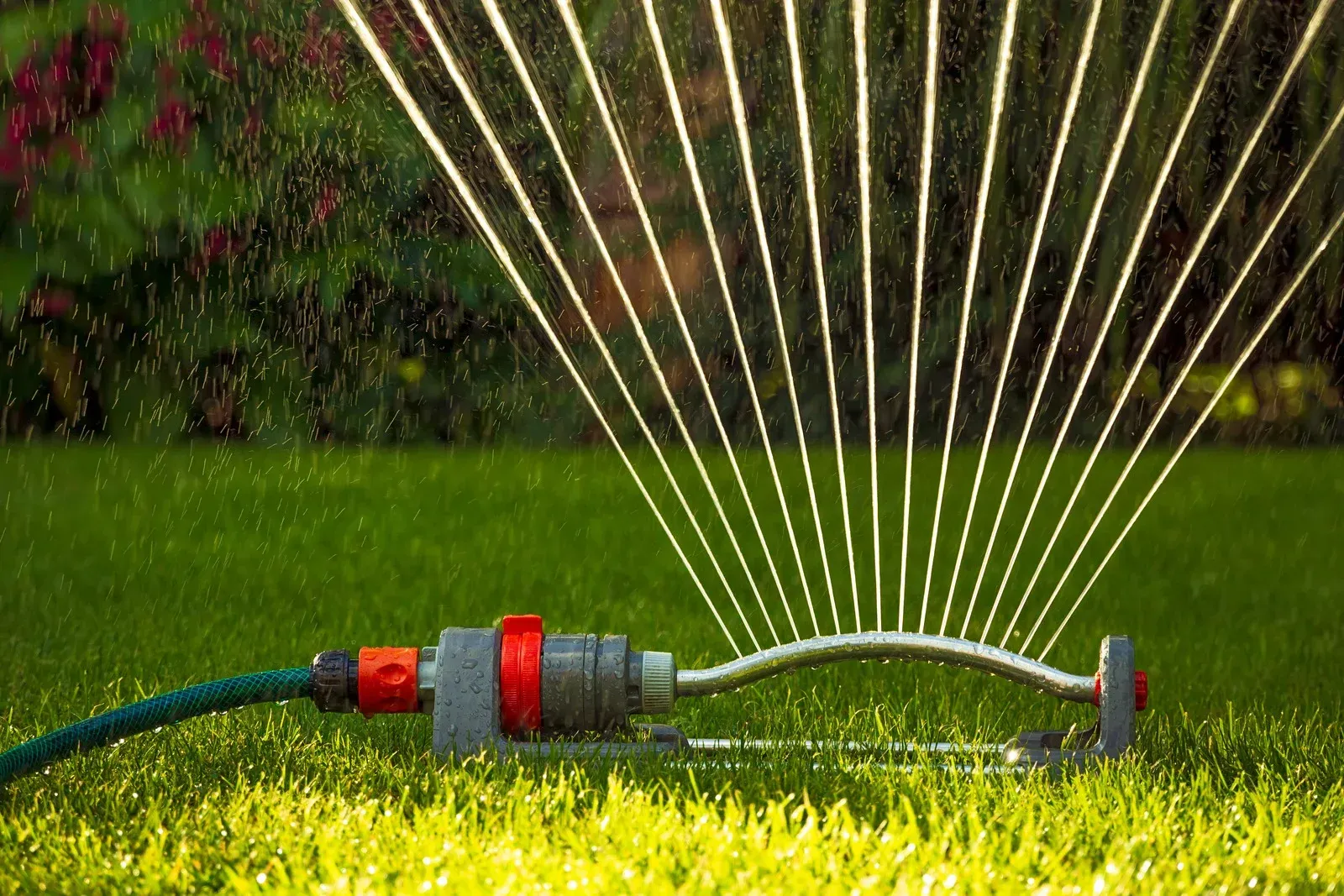
Our work ensures valves respond exactly as they should, restoring balance and efficiency to every zone. The result is a system that works quietly in the background—delivering water where it’s needed, when it’s needed, with complete reliability.
Frequently Asked Questions
What are common signs that an irrigation valve needs repair or replacement?
Common signs include zones not turning on or off, continuous water flow, low pressure, or unusual noises. These issues often indicate worn components, electrical problems, or internal damage. Addressing these signs early prevents further system complications and ensures consistent irrigation performance across all zones without unnecessary water waste.
How long do irrigation valves typically last before needing replacement?
Irrigation valves typically last between 7 to 15 years, depending on usage, water quality, and environmental conditions. Regular maintenance can extend their lifespan, but wear and tear eventually affect performance. Replacement becomes necessary when repairs no longer provide consistent or reliable operation within the irrigation system.
Can a single faulty valve affect the entire irrigation system?
Yes, a single faulty valve can disrupt pressure balance, cause zones to malfunction, or lead to water waste. Since valves control flow to specific areas, failure in one can create inefficiencies throughout the system, affecting performance, consistency, and overall irrigation reliability across multiple zones.
Is it better to repair a valve or replace it completely?
The decision depends on the severity of the issue. Minor problems like solenoid failure can often be repaired, while extensive damage or aging components may require full replacement. Evaluating the condition ensures the most effective solution is applied for long-term performance and cost efficiency.
How long does valve repair or replacement usually take?
Most valve repairs or replacements can be completed within a few hours, depending on accessibility and system complexity. Efficient handling ensures minimal disruption to irrigation schedules while restoring functionality quickly, allowing the system to resume normal operation without extended downtime or inconvenience.
Are modern irrigation valves more efficient than older models?
Yes, modern valves are designed with improved materials and technology that enhance durability and efficiency. Upgrading older valves can improve water control, reduce leaks, and ensure better compatibility with advanced irrigation controllers, resulting in more precise and reliable system performance over time.
Do you handle complex irrigation valve issues in older systems?
Yes, Dr. Sprinkler Master Inc. in Provo & Utah County, Utah handles both modern and older irrigation systems, addressing complex valve issues with precision. Experience allows accurate identification of underlying problems and ensures effective solutions that restore performance without compromising the integrity of existing system components.
How can proper valve maintenance improve overall irrigation performance?
Regular maintenance ensures valves open and close correctly, maintain pressure balance, and prevent leaks. This improves water distribution, protects system components, and reduces long-term repair costs. Dr. Sprinkler Master Inc. in Provo & Utah County, Utah emphasizes proactive care to keep irrigation systems functioning efficiently and reliably year-round.